From Frustration to Fun: What is Gamification and Why Does It Work?
Imagine this: your HR team has spent months internally creating a bespoke training program to accele.
Read More
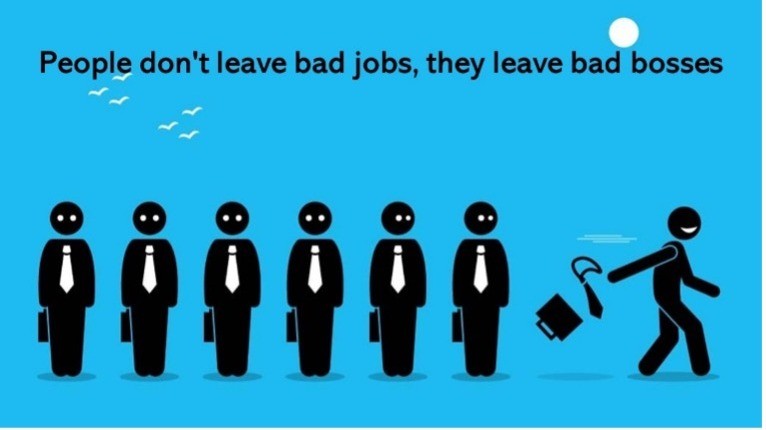
Employee turnover can be that thing that happens to every organisation and a reality that can’t be avoided, but have you ever wondered what truly drives people to leave? While salary and benefits are usually the pushing and pulling drivers, research consistently shows that employees don’t leave jobs – they leave environments that don’t support them.
Lack or uncertainty of Their Own Growth Opportunities
Top talent wants to grow and advance. When employees feel like they are stuck somewhere with no clear career pathway, they will start to look elsewhere. Afterall, the grass always seems greener on the other side. Organisations that put effort and invest in reskilling, upskilling, and provide a clear career progression, retain employees longer.
Implementing mentorship programs (not easy, I know), providing ample training budgets, and offering clear career mobility pathways can help mitigate employees turnover rates.
Poor Leadership & Management
The cover photo above must be one of the most shared memes on social media. “People don’t leave jobs; they leave bad managers”. A bad manager can make even the best job, unbearable. Employees who feel targeted, unappreciated, micromanaged, or unsupported are more likely to leave as soon as they have the chance.
Training people leaders and managers in emotional intelligence (EQ), effective coaching, and strong communication skills can help foster a supportive environment
Burnout & Lack of Work-Life Balance
Another thing that has surfaced frequently in recent times is that employees don’t just want to work; they also want a healthy life outside of work. Constant stress, excessive workload, and unrealistic expectations (including calls and meetings outside of office hours) push employees out the door faster.
COVID-19 has proven that flexible work arrangements are effective. Having it while setting clear boundaries and recognising the importance of mental health can better contribute to employee retention.
Feeling Undervalued & Unrecognised
A simple “thank you” goes a long way. From my personal experience interviewing employees during an Employee Engagement Survey Focus Group, one of the most commonly mentioned things by the employees is, “I would be happier if people would say thank you to me – especially coming from the management team”. Employees who feel invisible or underappreciated often disengage and eventually leave (or quietly quits).
Consistently recognising efforts through shoutouts, bonuses, and growth opportunities can help the employees feel valued by the organisation and seen as more than just a number.
Mismatched Expectations
It could be a misalignment between employees and a company’s culture or values, job scope expectations, benefits, or other factors. If employees feel that expectations are mismatched, they will seek a workplace that better aligns with them.
A company’s mission, values, and actions should be aligned, and its hiring processes should consider cultural fit in addition to skills.
It’s about Retention, Not Just Recruitment
Rather than constantly replacing talent, focus on building a culture where people want to stay – it’s better, more sustainable and cost effective. Listen, engage, and invest in your employees because retention is the best recruitment strategy.

Imagine this: your HR team has spent months internally creating a bespoke training program to accele.
Read More
Gamification works best when it taps into what really matters to people. Many organisations and busi.
Read More