From Frustration to Fun: What is Gamification and Why Does It Work?
Imagine this: your HR team has spent months internally creating a bespoke training program to accele.
Read More
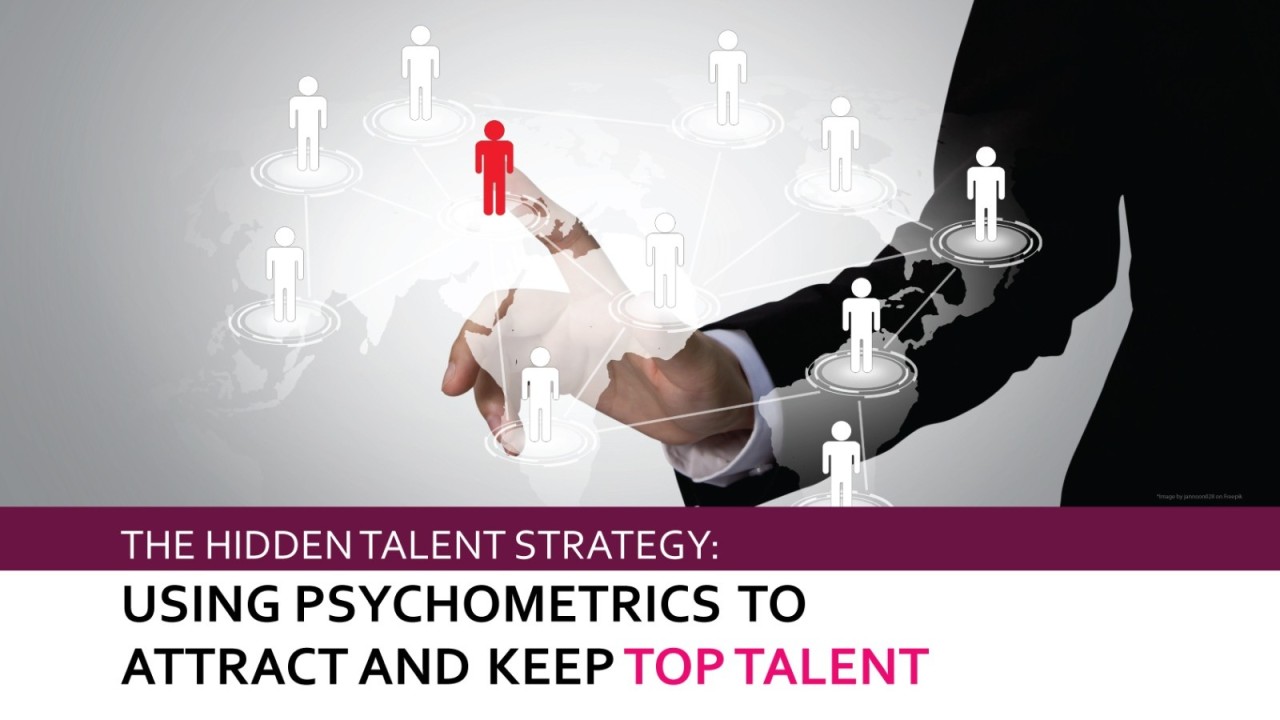
Positioning Psychometric and Talent Assessments as a Key to Career Growth and Retention
In today’s competitive job market, top candidates are not just looking for a good paycheck – they also want growth, learning and skill building opportunities, and clear career progression. If an organisation is unable to offer that, the best talents will likely start looking elsewhere. Backed by research, Michael Page’s Talent Trends survey in 2024 revealed that career progression, culture fit and training opportunities are key reasons why employees look for new opportunities elsewhere. In a similar vein, Addecco’s Global Workforce of the Future 2022 Report highlights that the third most common reason people leave their jobs is to pursue better career progression and upskilling opportunities.
So how can organisations stand out and attract high-potential talent? One of the most valuable but often overlooked or underutilised strategy is leveraging psychometric assessments. In fact, studies have shown that 75% of The Times Top 100 companies are using psychometric assessments or tried and tested recruitment methods and tools. When used in the hiring process, these can do more than just evaluating candidates and show that the organisation is invested in its people.
When organisations position psychometric assessments as tools for growth and advancement rather just a recruitment tool, employees are more likely to see the company as one that truly cares about their development. This builds loyalty and encourages employees to stay longer. Instead of just filling an empty spot, they are dedicated to find someone who not only fits the role but also fits the culture of the organisation. It also demonstrates that they care about employees’ long-term success by helping them understand their strengths, development areas and career potential within the organisation.
Of course, assessments alone are not sufficient; it is the feedback that is key to employee’s growth. More often than not, if assessments are conducted without some form of feedback or follow-up, they may raise more questions or concerns among employees instead of seeing it as an investment by the organisation. Leveraging insights obtained from psychometric assessments is a fantastic way to begin meaningful career development conversations. It is observed that employees are more likely to feel engaged and motivated when they receive feedback based on their psychometric assessment results. Research from the Journal of Applied Psychology (2016) found that employees who have received feedback from assessments are 25% more likely to stay engaged at work.
When implemented properly, psychometric assessments can also enhance employer branding. It is not a secret that candidates want fair and transparent hiring practices, and assessments help organisations showcase a data-driven and objective approach to talent selection. High-potential talents are more likely to be attracted to organisations that prioritise merit and objectivity over vague “gut feelings” in hiring decisions.
Furthermore, when candidates see that an organisation actively uses psychometric assessment data to identify and nurture future leaders, it signals a strong focus on leadership development. Not only does it demonstrate that growth is a priority for the organisation, it also attracts ambitious talents who want to grow into leadership roles and increases the likelihood of talents sticking around for the long haul.
Ultimately, psychometric assessments are more than just candidate screening tools. They play a crucial role in attracting the right talent by showcasing an organisation’s commitment to growth, learning and professional success. Organisations that utilise psychometric assessments as part of their talent strategy not only achieve higher percentages of person-role fit but also obtain a workforce of motivated, high-performing individuals eager to grow with the organisation.

Imagine this: your HR team has spent months internally creating a bespoke training program to accele.
Read More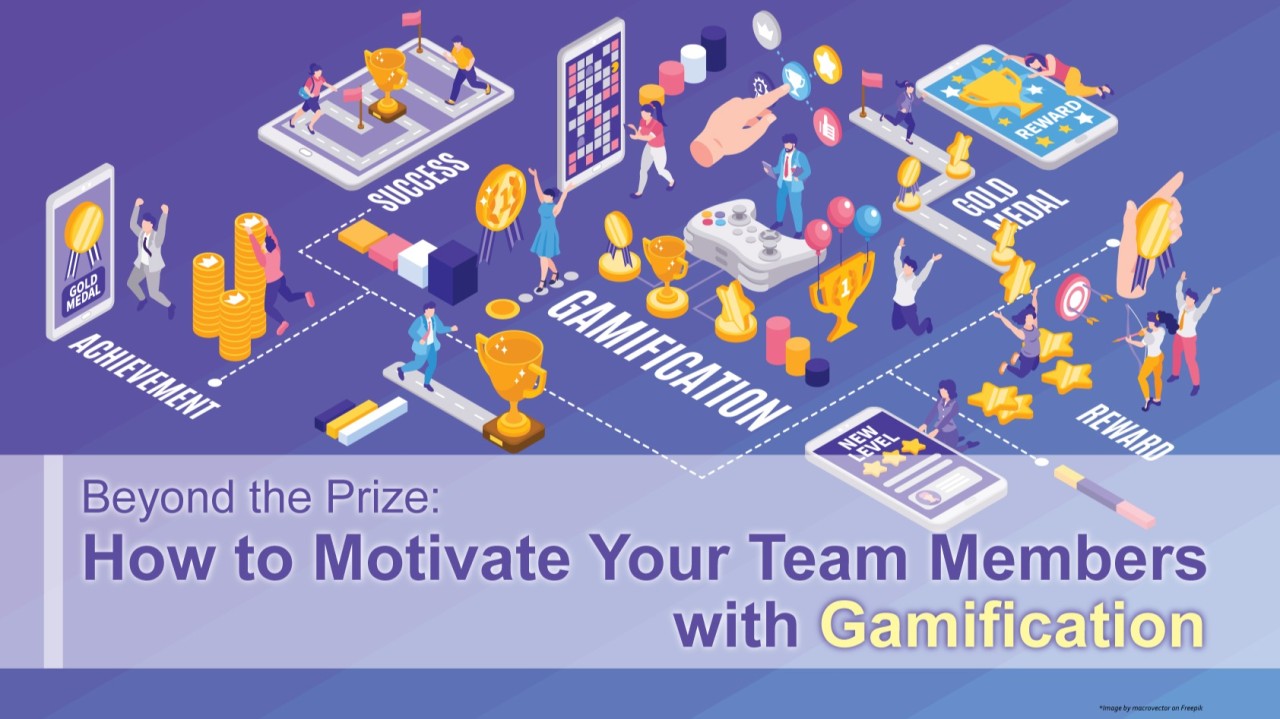
Gamification works best when it taps into what really matters to people. Many organisations and busi.
Read More